 Skip to main content
Professional Oil Tank Installation
Oil tank installation is the process of fitting and connecting a heating oil storage tank to supply fuel to an
oil-fired heating system.
This is commonly done for homes that use heating oil instead of gas.
Installation method:
Site assessment – checking location and safety distances
Preparing the oil tank base
Placing the oil tank on the base
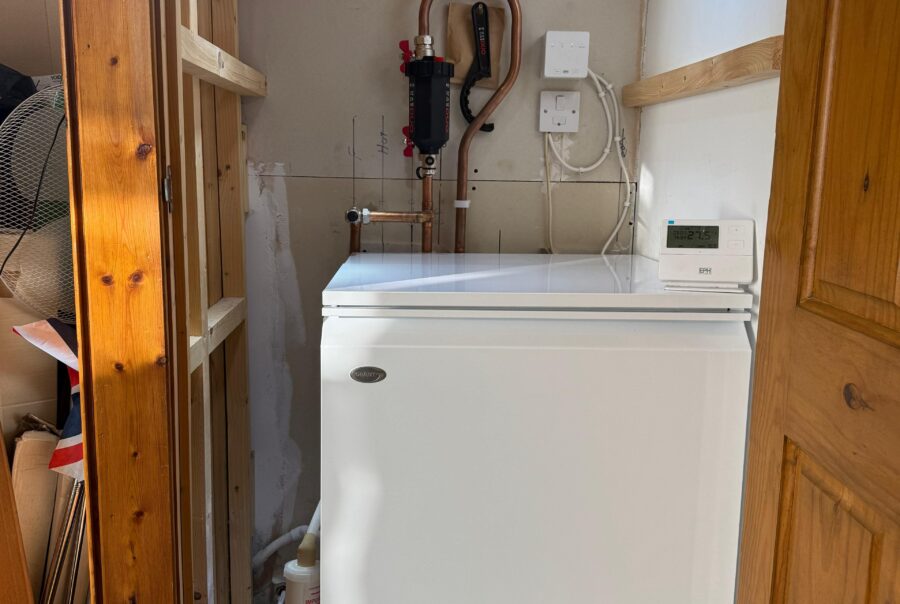
Connecting oil supply pipes from the tank to the boiler
Installing safety components such as a fire valve and filter
Filling the tank and testing the system
Safety requirements
Installations should follow standards set by OFTEC and building regulations.
Common rules include:
Minimum distance from buildings and boundaries
Proper fire protection if near structures
Secure pipework and valves
Environmental protection to prevent leaks
We are registered with OFTEC, which certifies us for oil heating systems.

Benefits of an oil tank base
Prevents the tank from leaning or cracking
A solid, level base properly supports the tank’s weight, preventing movement and structural stress over time.
Reduces risk of oil leaks or damage
Keeping the tank stable and well-supported helps avoid strain that could lead to cracks or leaks.
Meets OFTEC’s installation regulations
Installing the tank on a suitable base ensures compliance with industry safety standards and legal requirements.
Extends the lifespan of the tank
Proper support reduces wear and stress on the tank, helping it last longer and perform reliably.
Concrete Oil Tank Base Construction
What is an oil tank base?
An oil tank base is the solid, level foundation that an oil storage tank sits on. It supports the weight of the tank and prevents it from sinking, tilting, or becoming damaged over time.
Heating oil tanks can weigh hundreds of kilograms when full, so the base must be strong and stable.
How an oil tank base works
The base spreads the weight of the tank evenly across the ground and keeps the tank stable.
Installation method:
- Ground is cleared and levelled
- A hardcore sub-base is added and compacted
- Concrete is laid to create a flat surface
- The base is checked to ensure it is perfectly level before placing the tank
OFTEC guidance we follow:
The base should extend at least 300 mm beyond the tank on all sides
It must be level and non-combustible
It must support the full tank weight when full
The oil tank has to be bunded which means it has two layers of protection to prevent oil leaks and environmental contamination